
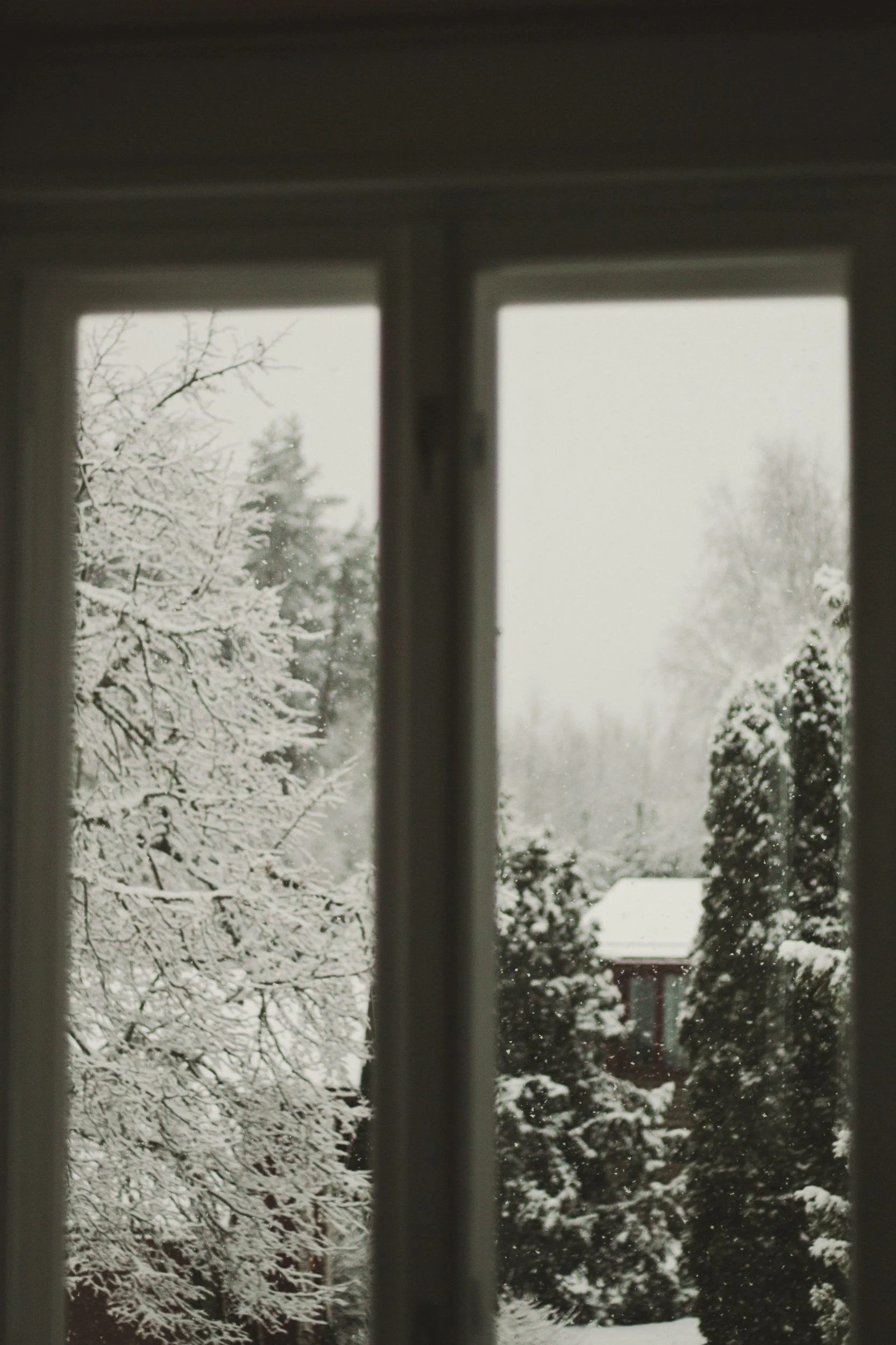
The winter season brings cold weather, snow, salt, and dry air along with the joyful spirit. No matter what type of floor covering you have in your home, these conditions can all take a toll on your flooring. But a little prep goes a long way. Here are a few simple ways to protect your flooring during the winter season.
Snow and Moisture
During winter, snow and water inevitably find their way into your home. If your floor isn’t water-resistant, this can pose a big issue. The best place to start building a defense strategy is by looking at your entryway.
Place a heavy-duty or bristle door mat on the outside of your entryway as a place to wipe off excess snow from boots and shoes.
Inside your entry, place a secondary mat to also catch the melting snow and water that trails in. PVC- backed mats are great, so are rubber-backed mats but some backings can have a chemical reaction with the wear coatings on vinyl flooring and leave discolouration. Having a plastic tray for boots and shoes to be placed in will help contain that melting snow and salt.
If an entry mat inside your home gets damp, make sure to move it and dry it as well so moisture doesn’t get trapped between it and your flooring for extended periods of time.
You can get outdoor carpet runners cut at the store into the length you need. There are also options available to order in custom sized entry mats to best fit your entryway, in a variety of colours, durability, and water absorption rates. If you have a business, talk to CJV about getting a custom-made logo mat or runner.
Salt and Debris
Using the prevention methods named above also help with keeping salt and debris from ruining the finish of your flooring. Entry mats will hold onto a lot of the salt and debris to keep it from travelling further into your home. Moving, vacuuming, and cleaning underneath your mats regularly is important. The debris and salt residue can get under your mat and be abrasive on your floor surface. If you spot salt tracks on your flooring, try spot cleaning them right away.
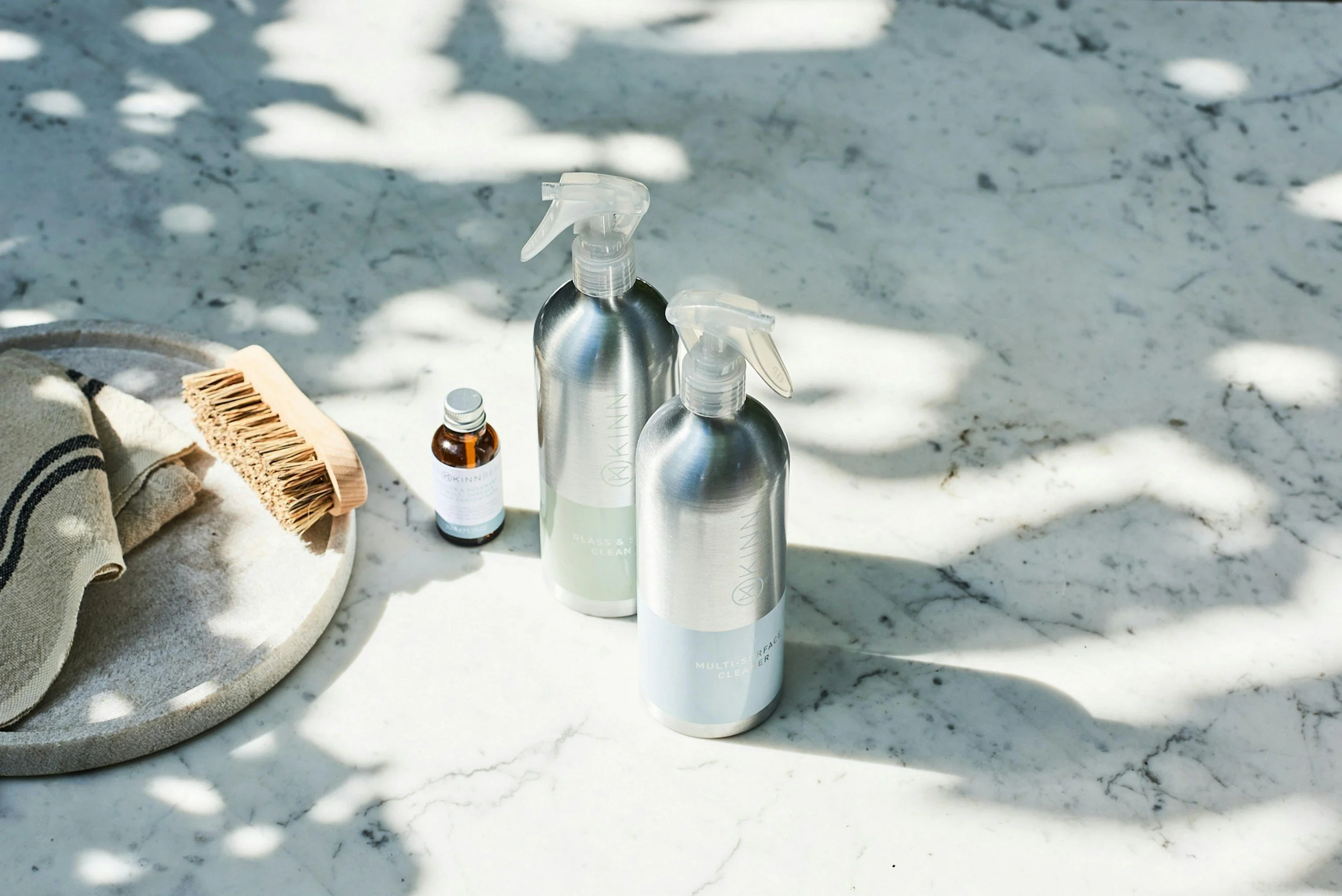
Using a neutral cleaner designed for your type of flooring will help your floor last longer. There are pre-mixed cleaning solutions available that you can spray and use as you go or you can choose a concentrated formula that requires diluting. Keep in mind that a little cleaner can go a long way and follow the instructions on the cleaning bottle.
You also don’t want to use too much water and have it sitting on your flooring. Heat and water combinations, such as steam mops, are not safe for use on all types of flooring. Tests are now showing that they can actually peel apart the layers of your vinyl flooring.
You can find a range of cleaners in store at CJV for all types of flooring. Some are heavy-duty cleaners, and others are more pet and child-friendly. CJV also stocks grout and tile cleaners and sealants.
Dry Air
Winter also brings dry air and low humidity levels. Your heating system is running constantly which can drop the humidity levels in your home. It can be hard to maintain the same ambient temperature on all levels of your home. These environmental changes can lead to contractions in your subfloor and gapping flooring. It’s recommended to maintain a relative humidity level between 35-55% in your home year-round, and an ambient temperature of 18-27° Celsius. If your home’s humidity dips below 35%, you may need to invest in a humidifier to help add moisture back into your home.
All flooring types have their own requirements, and it’s a good idea to check into what the recommendations are for your specific type of flooring. Not all floor types will have the same recommendations, and these are general guidelines.
Preparation and Maintenance
So to cap it off, there are a couple of strategies you can implement and prepare for the winter season. The first is to focus on your entry way. Make sure you have entry mats to help stop the majority of snow, salt, and debris from travelling throughout your home.
The second is to maintain an ideal humidity and temperature in your home for your flooring year-round. Use a humidifier or dehumidifier as needed, and keep track of the temperature ratings between different levels of your home.
The third is making sure you’re cleaning your floors regularly with the right products and tools. Not all cleaners are made the same or are safe for all types of flooring.
If you have further questions, reach out to your flooring supplier for more information.